Modern healthcare recognizes that overall wellness extends beyond managing physical symptoms
Lifestyle choices, daily routines, and recreational habits all contribute to long-term health outcomes
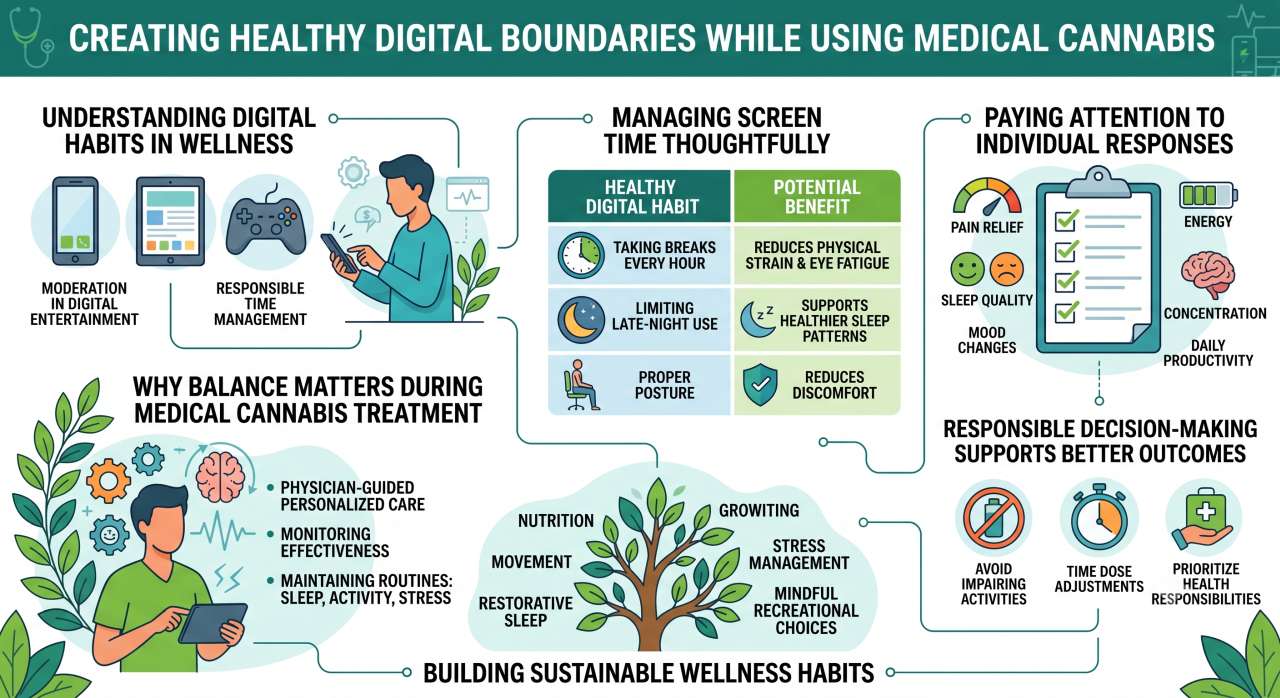
Modern healthcare recognizes that overall wellness extends beyond managing physical symptoms. Lifestyle choices, daily routines, and recreational habits all contribute to long-term health outcomes. For patients receiving physician-guided medical cannabis treatment, developing healthy digital boundaries can support both treatment goals and overall quality of life.
Medical cannabis is increasingly incorporated into personalized care plans for conditions such as chronic pain, anxiety, sleep disorders, and other qualifying health concerns. Alongside evidence-based treatment, healthcare providers often encourage patients to maintain balanced routines that include adequate sleep, regular exercise, stress management, and mindful use of digital entertainment.
Understanding Recreation as Part of Overall Wellness
Digital entertainment has become one of the most common ways people relax after work or daily responsibilities. Streaming content, social media, online games, and interactive platforms all offer opportunities for recreation when used responsibly. Like any leisure activity, moderation plays an important role in supporting healthy habits.
Some individuals also explore online gaming platforms such as spacehills casino as part of their recreational interests. Approaching these activities with realistic expectations, personal limits, and responsible time management helps ensure they remain enjoyable without interfering with personal responsibilities or healthcare objectives.
Why Balance Matters During Medical Cannabis Treatment
Medical cannabis treatment plans are carefully tailored to each patient’s individual needs. Dosage, cannabinoid profile, timing, and treatment goals vary depending on the person’s medical history and current condition. Because every patient responds differently, maintaining awareness of daily routines is an important part of effective care.
Patients can promote healthier outcomes by:
- Following physician recommendations consistently.
- Keeping a regular sleep schedule.
- Staying physically active when appropriate.
- Scheduling breaks from screens throughout the day.
- Monitoring how treatment affects focus and energy.
- Maintaining open communication with healthcare providers.
These simple habits help patients better understand how medical cannabis fits into their overall wellness strategy.
Managing Screen Time Thoughtfully
Technology offers significant benefits, including easier access to healthcare through telemedicine and educational resources. However, excessive screen time may contribute to fatigue, poor posture, disrupted sleep, and reduced physical activity if not managed carefully.
| Healthy Digital Habit | Potential Benefit |
|---|---|
| Taking breaks every hour | Reduces physical strain and eye fatigue |
| Limiting late-night screen use | Supports healthier sleep patterns |
| Maintaining proper posture | Helps reduce neck and back discomfort |
| Staying hydrated | Supports general physical well-being |
| Balancing online and offline activities | Encourages healthier daily routines |
Making small adjustments to digital habits often contributes to improved overall wellness.
Paying Attention to Individual Responses
One of the defining characteristics of medical cannabis treatment is that responses vary between individuals. Factors such as metabolism, dosage, product formulation, and existing medical conditions all influence treatment experiences. Patients benefit from observing how therapy affects both physical symptoms and everyday functioning.
Healthcare providers often recommend monitoring:
- Pain relief.
- Sleep quality.
- Mood changes.
- Energy levels.
- Memory and concentration.
- Daily productivity.
Keeping personal notes between appointments allows clinicians to make informed adjustments that better reflect each patient’s experience.
Responsible Decision-Making Supports Better Outcomes
Patients beginning medical cannabis treatment should take time to understand how prescribed products affect them before participating in activities that require sustained attention or complex decision-making. Responsible choices contribute to both personal safety and treatment success.
Helpful practices include:
- Avoiding activities requiring full concentration if experiencing noticeable impairment.
- Giving the body time to adjust to dosage changes.
- Planning recreational activities around treatment schedules.
- Prioritizing health responsibilities before leisure activities.
These habits promote confidence while supporting safe treatment progression.
The Importance of Ongoing Communication
Medical cannabis works best within a collaborative healthcare relationship. Regular follow-up appointments allow physicians to evaluate treatment progress, discuss symptom changes, and make evidence-based recommendations when necessary.
Useful discussion topics may include:
- Overall symptom improvement.
- Side effects.
- Sleep quality.
- Daily routines.
- Questions about dosage timing.
- Lifestyle habits that may influence treatment effectiveness.
Open communication helps ensure that treatment continues to align with each patient’s changing needs.
Building Sustainable Wellness Habits
Long-term wellness is rarely achieved through a single treatment alone. Instead, it develops through consistent healthy habits that support both physical and mental well-being. Medical cannabis can play an important role within a comprehensive healthcare plan when combined with balanced nutrition, regular movement, restorative sleep, stress management, and mindful recreational choices.
By approaching healthcare with curiosity, moderation, and evidence-based guidance, patients are better equipped to make informed decisions throughout their treatment journey. Thoughtful daily routines and responsible lifestyle choices help create a strong foundation for lasting health and improved quality of life.
Se ritenete utile il contenuto di questa pagina condividetelo su Facebook o Twitter.
Tweet
 Via Galilei, 1
 +39 351 7828816