Energy-efficient digital technologies for gaming
The rapid growth of video games and eSports has increased demand for energy-efficient digital technologies
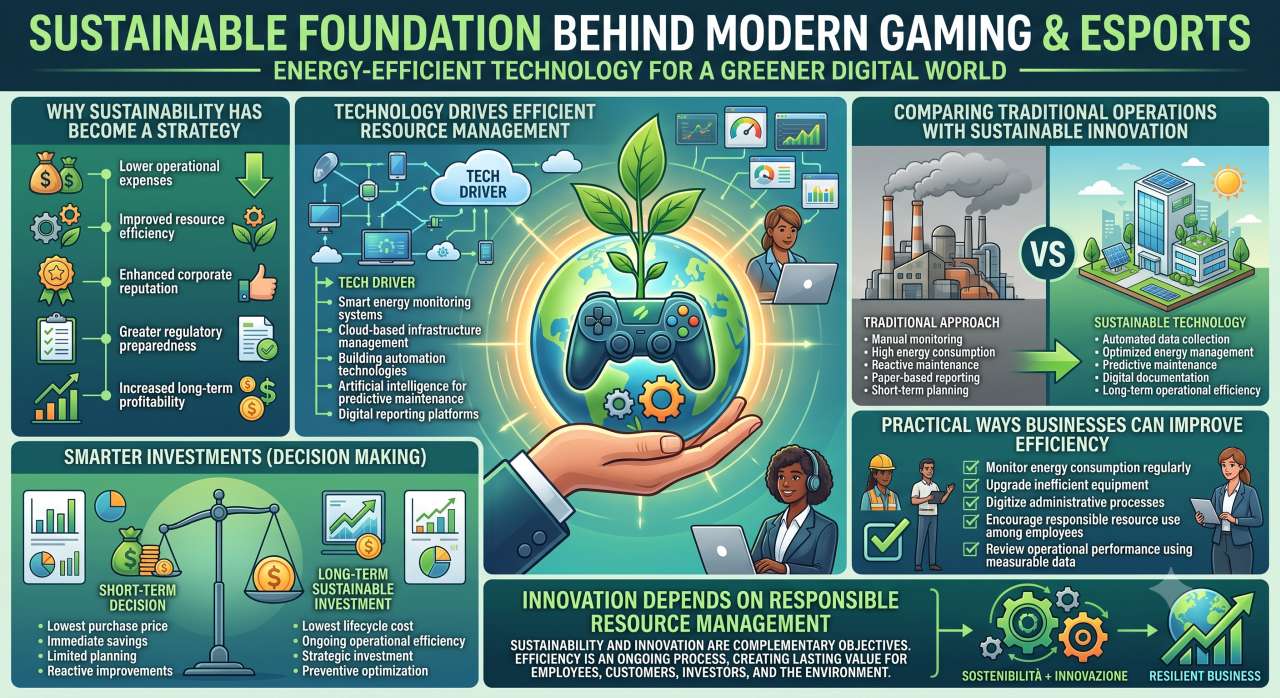
The rapid growth of video games and eSports has increased demand for powerful computing systems, reliable internet infrastructure, and energy-efficient digital technologies. While players often focus on graphics, performance, and competitive experiences, the systems supporting modern gaming consume significant amounts of electricity. As sustainability becomes a global priority, improving energy efficiency is increasingly important for both residential users and the technology industry.
Energy-efficient design has become a major consideration in modern homes, offices, and commercial facilities. Smart buildings now incorporate advanced insulation, intelligent climate control, and optimized electrical systems that reduce environmental impact without sacrificing comfort or performance. These same principles of efficiency are influencing data centers, gaming hardware, and digital platforms that support millions of users every day.
Consumers are also becoming more selective when choosing digital entertainment platforms, comparing performance, usability, and available features before participating. Many users who Explore iWild Casino evaluate online services in much the same way they assess gaming platforms-looking for reliability, accessibility, and an enjoyable user experience while making informed decisions.
Why sustainability matters in digital entertainment
Although gaming is primarily a digital activity, the infrastructure behind it depends on physical resources. Gaming devices, servers, cooling systems, and networking equipment all contribute to overall energy consumption.
Sustainable technology helps reduce this impact through:
- Lower electricity usage.
- More efficient hardware.
- Improved cooling systems.
- Longer equipment lifespan.
- Reduced electronic waste.
These improvements benefit both consumers and the environment over time.
The connection between smart buildings and gaming technology
Modern energy-efficient buildings increasingly support advanced digital lifestyles. High-performance electrical systems and smart home technologies provide stable environments for remote work, streaming, and competitive gaming.
| Energy-Efficient Building Feature | Benefit for Digital Technology |
|---|---|
| Smart electrical management | Stable power delivery |
| Efficient cooling systems | Better hardware performance |
| Renewable energy integration | Lower environmental impact |
| Smart automation | Optimized energy consumption |
| High-quality insulation | Improved indoor comfort for extended device use |
Well-designed buildings support modern technology while reducing unnecessary energy consumption.
Efficient hardware supports better performance
Manufacturers continue developing gaming hardware that delivers greater performance while consuming less electricity. Improvements in processors, graphics cards, and cooling technologies allow users to enjoy demanding games without proportionally increasing energy usage.
This trend benefits:
- Home gamers.
- Professional eSports players.
- Gaming cafés.
- Streaming studios.
- Tournament organizers.
Higher efficiency allows organizations to control operational costs while supporting advanced computing requirements.
Data centers play a critical role
Every online multiplayer match, cloud gaming session, or live tournament depends on data centers operating continuously behind the scenes. These facilities consume substantial energy while providing the processing power needed for millions of simultaneous users.
Modern data centers improve sustainability by:
- Using advanced cooling technologies.
- Monitoring energy consumption in real time.
- Incorporating renewable energy sources.
- Optimizing server workloads.
- Improving equipment efficiency.
These initiatives reduce environmental impact without compromising digital performance.
Technology encourages smarter resource management
The same monitoring technologies used in energy-efficient buildings also improve digital infrastructure. Sensors, automation, and intelligent software help operators identify inefficiencies before they become costly problems.
Examples include:
- Automated lighting controls.
- Smart energy meters.
- Intelligent server management.
- Predictive equipment maintenance.
- Real-time performance monitoring.
These technologies demonstrate how sustainability and innovation complement one another across different industries.
Comparing traditional and energy-efficient systems
Organizations increasingly recognize the long-term advantages of efficient technology.
| Conventional Approach | Energy-Efficient Approach |
|---|---|
| Higher electricity consumption | Optimized energy use |
| Reactive maintenance | Predictive monitoring |
| Older hardware | Efficient modern equipment |
| Fixed resource allocation | Intelligent automation |
Adopting efficient technologies improves operational performance while lowering environmental impact.
Practical steps for more sustainable gaming
Individuals can also reduce energy consumption without sacrificing their gaming experience.
Helpful practices include:
- Enable power-saving settings on devices.
- Turn off equipment when not in use.
- Upgrade to energy-efficient hardware when replacing older systems.
- Maintain proper ventilation around gaming equipment.
- Choose durable products designed for long-term performance.
Small improvements made consistently contribute to meaningful energy savings over time.
Sustainability benefits businesses and consumers
Technology companies increasingly invest in sustainable manufacturing, efficient logistics, and environmentally responsible operations. Consumers, in turn, benefit from products that operate more efficiently while lowering long-term operating costs.
This shared commitment encourages innovation across hardware development, software optimization, and digital infrastructure. As demand for gaming and online entertainment continues growing, sustainability will remain an essential consideration for developers, manufacturers, and service providers alike.
Energy efficiency is no longer limited to residential buildings or commercial construction. It now plays an equally important role in supporting the digital experiences people enjoy every day. Whether improving a home's energy performance or advancing the technology behind online gaming, efficient resource management helps create systems that are both environmentally responsible and prepared for the future.
Se ritenete utile il contenuto di questa pagina condividetelo su Facebook o Twitter.
Tweet
 Via Galilei, 1
 +39 351 7828816